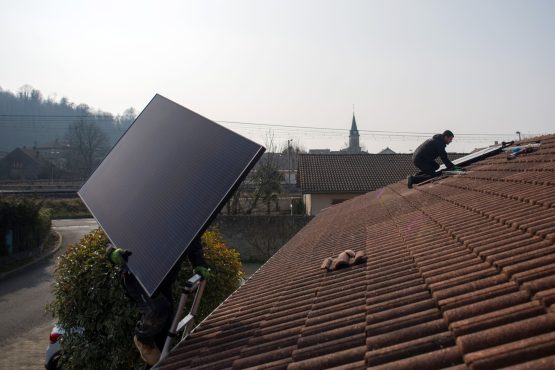
With the resurgence of load shedding and rising electricity costs, many South Africans are once again turning to solar power. However, concerns over substandard installations and faulty equipment are mounting, prompting a warning from industry experts and insurers.
The Consumer Goods and Services Ombud (CGSO) has reported an increase in complaints related to solar systems and generators, highlighting cases of poor workmanship and non-compliant installations that have left homeowners with ineffective or hazardous power solutions. Insurers, too, have noted a rise in claims related to damage caused by inexperienced or unqualified installers, leading to costly repairs that often fall outside standard homeowners’ insurance policies.
Read:
Cash for Power: Cape Town pays out R50m for solar
Renergen raises land dispute with solar project
Hardy Ncube, head of personal products at Standard Bank Insurance, warns that selecting the right provider is critical to ensuring a safe and effective installation.
“It’s important to note that, as with other areas in the home, insurers do not cover faulty equipment, defective design, or non-compliant installation, including damage to the home resulting from such.”
To avoid these pitfalls, insurers typically require homeowners to provide an invoice detailing the specifications of the solar components, an Electrical Certificate of Compliance, municipal approval where applicable, and sometimes a structural engineer’s certificate to verify the roof’s capacity to support solar panels.
Choosing a reputable solar installer
Finding an experienced and accredited installer is crucial, says Ncube.
“The first point to consider is whether the solar installer is qualified, experienced, and reputable. We recommend that consumers conduct online searches of each installer and assess reviews of their services by previous clients before turning to the more technical qualification checks.”
The South African Photovoltaic Industry Association (Sapvia) has introduced the PV Green Card accreditation system to distinguish qualified professionals from unregulated operators.
A legitimate installer should also employ a registered electrician to connect the system to the main distribution board and provide the necessary compliance certificates.
Ncube adds that a reputable installer will conduct an on-site inspection before issuing a final quote and should offer a workmanship warranty. “Finally, it is always a good idea to ask anyone doing work on a property to provide proof of appropriate insurance to cover any damage that may take place,” he advises.
Read: Solar: Does the industry overstate the cost-saving benefits?
Quality of solar components matters
Beyond installation, homeowners should carefully assess the quality of the solar components they purchase. Ncube cautions that high demand has led to an influx of substandard equipment in the market.
“Unfortunately, the high demand for solar in South Africa has seen a flood of sub-standard equipment into the market. While the prices of these components may look attractive, the long-term costs of inefficiency, failure, and electrical and fire hazards make this a route to avoid.”
Researching product quality and ensuring components come with manufacturer warranties are essential steps to avoid financial and safety risks. Consumers should also verify that the company installing the system holds the necessary licenses and accreditations
Follow Moneyweb’s in-depth finance and business news on WhatsApp here.